
Sound · Family · A sense of safety
When he heard the singing bowls, he became quiet
A small moment at a networking event – and what sound may mean for babies and children.
By Tamara Hibler ·
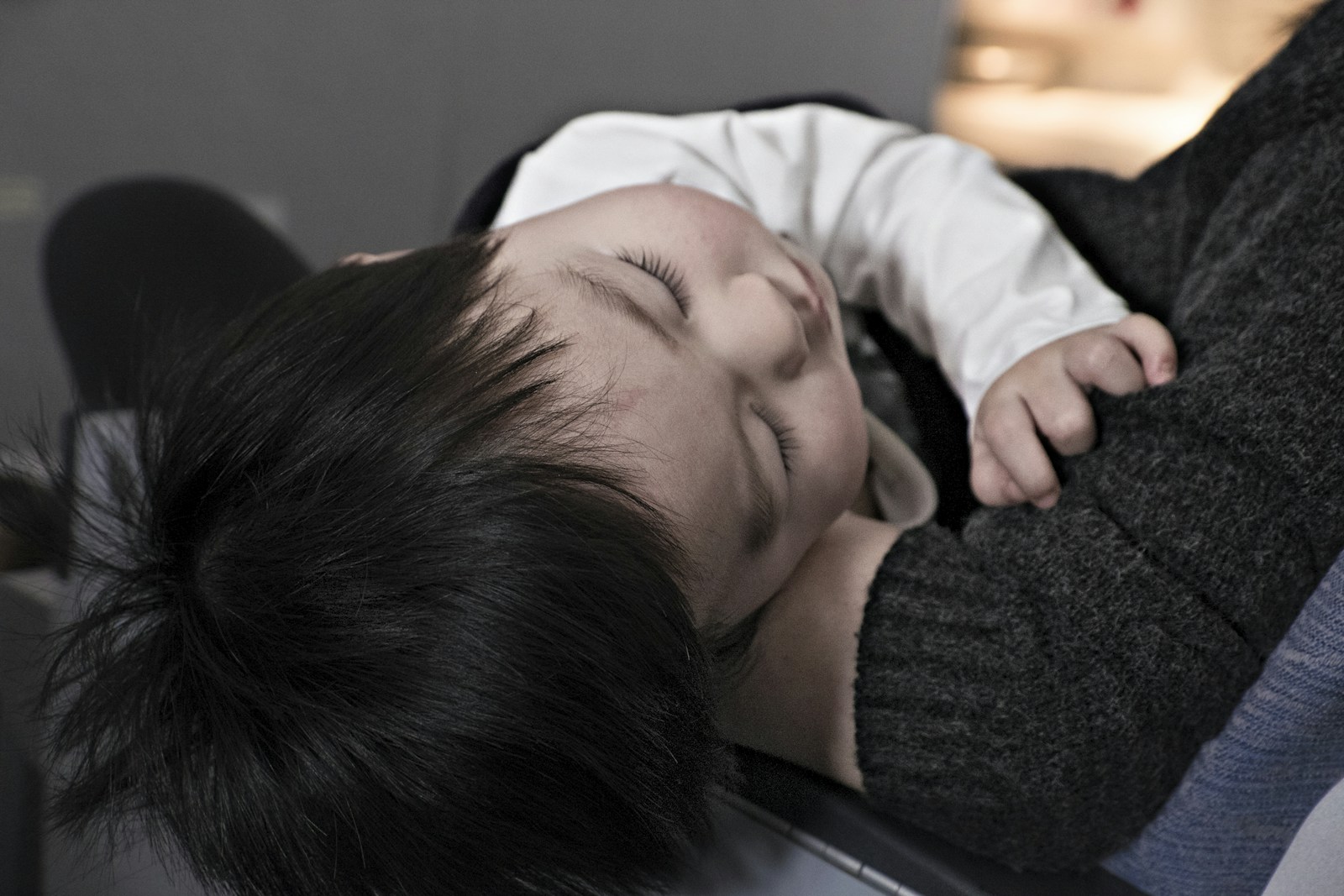
At a networking event, a woman had brought her 18-month-old son. He was tired, crying and finding it difficult to settle. When I began playing my singing bowls, he became quiet and listened.
That change moved me. I cannot know from this encounter exactly what soothed him. Perhaps it was curiosity about a new sound; perhaps several things came together. The moment encouraged me to look more closely at research on music and children.
Babies do not need an explanation to listen
What moved me most was the little boy’s attentive listening. As an adult, I often have several things on my mind at once. At that moment, he seemed fully occupied with the sound.
Encounters like these remind me to listen more carefully myself. They do not mean children are always calm or present. Children experience stress, too, and sounds can overwhelm them.
What we know about soothing music for babies
A study in Nature Human Behaviour explored lullabies from unfamiliar cultures. Babies showed more signs of relaxation than with other song types, including a slower heart rate. You can find the study here.
These findings concern singing, rather than singing bowls. The soothing effects of lullabies cannot simply be transferred to crystal sound. My experience remains a personal observation.
What about older children?
A 2026 review describes positive findings for music therapy in certain areas of psychological well-being. It examined programmes lasting several weeks with children and young people aged six to eighteen; individual sound baths were not part of the analysis.
A shared moment at home can stay simple: singing, humming or listening together. Your child can help decide what they enjoy and when they have had enough. They do not need to sit still or close their eyes.
Sound during pregnancy
A familiar song can also be a lovely companion during pregnancy. A 2024 review reports indications that music interventions may reduce anxiety around pregnancy and birth. The programmes studied varied.
This does not establish a particular effect of singing bowls on an unborn baby. If you are pregnant and would like to attend a session, we discuss the setting beforehand. If unsure, involve your midwife or medical professional.
Perhaps your shared sound moment begins with your voice
You can sing or hum softly to your baby and notice their response. With an older child, listen together: what can you hear in the room, and which sound comes from outside?
Keep sounds quiet, brief and optional. Sound sources should not be placed directly beside an ear, and singing bowls should not be placed on a baby’s body or a pregnant abdomen. If your child startles, turns away or becomes more unsettled, stop. The American Academy of Pediatrics explains how to protect children’s hearing. A sound journey for adults is not automatically suitable for children.
If you have questions about my practice, read about the flow of a sound bath. For an individually agreed setting, you can contact me through Private Sessions.
Something else that matters to me
I am sharing a personal observation and research on music and music therapy. This is not a promise of healing. My sound sessions invite conscious experience and relaxation; they do not replace medical or therapeutic care. What feels comfortable is individual, for you and for your child.
Take five minutes for yourself.
If you would like a brief moment to settle, I can guide you with my voice through a free five-minute meditation.
Free five-minute meditation (German audio)