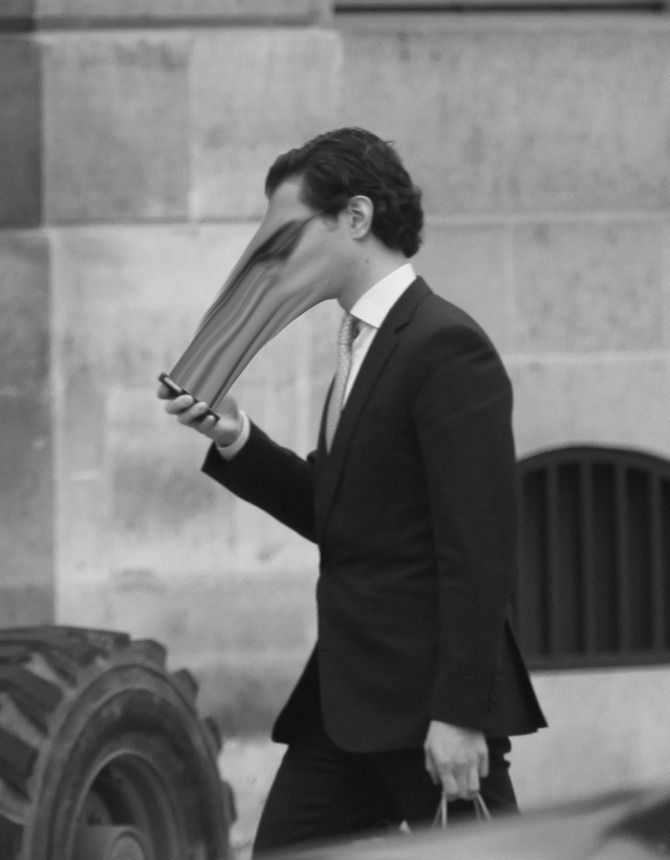
During a conversation about relaxation sessions for a company, someone mentioned in passing that most of the employees were men. The comment stayed with me. It was not a refusal, but it raised a question: why does rest in a setting like this still seem to need explaining?
We talk readily about resilience, responsibility and performance. When the subject turns to meditation, or spending some time without having to achieve anything, the tone changes. Is this right for our people? Will they be open to it?
My first thought was that men seemed to find relaxation harder. The research led me to a more precise question: how much of what we call male resilience is an expectation to show as little strain as possible?
The ability to rest, and permission to do so
The starting assumption needs correcting. The studies considered here do not establish that men are generally less able to relax than women. What they do show more clearly is a difference in which activities people take part in.
In a representative US survey, about 16 per cent of women and 12 per cent of men reported using meditation in the previous year in 2017. Those figures show a difference in participation. They do not tell us who switches off on a walk, who lies awake at night or who actually feels restored after a class. [1]
Lower participation does not automatically mean less ability. Perhaps the barrier to joining is higher. Perhaps the language does not resonate. Perhaps recovery happens elsewhere. To understand which explanation fits, we would need to ask people themselves.
When strength means carrying everything alone
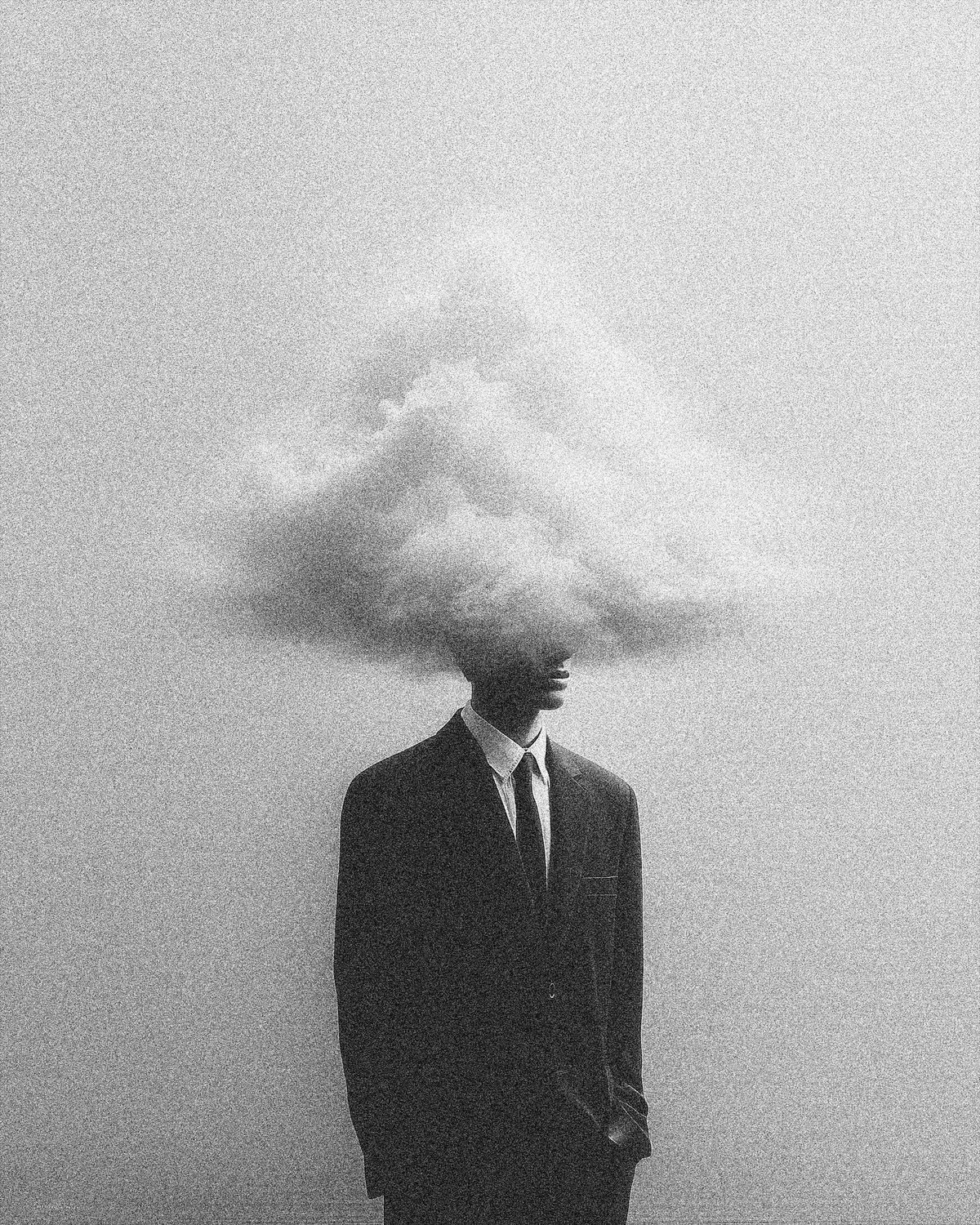
There is an idea of strength that leaves little room for needs. You stay in control, solve your own problems and keep going. That can win recognition. It becomes difficult when independence turns into an obligation never to need support.
This is where the research becomes more specific. Psychologist Y. Joel Wong and colleagues combined 78 samples involving 19,453 participants. Greater conformity to certain traditional masculine norms was associated with poorer mental health and less favourable attitudes towards psychological help. The association was particularly consistent for pronounced self-reliance: the belief that one must manage alone. [3]
The emphasis is on particular norms. In the same analysis, giving work high importance showed no significant association with the outcomes studied. The research describes associations, not a fixed male personality. [3]
Health researcher Will Courtenay offers a useful framework: the way we deal with health can also express how we want others to see us. Where endurance is valued as strength, ignoring discomfort can help secure a sense of belonging. [4]
Applied to rest, this suggests one possible explanation: a break may feel like a risk to one’s reputation, even when it could support well-being. This interpretation is not a diagnosis of men. It is an invitation to look more closely at the environments in which people are expected to acknowledge their limits.
An old ideal still shapes everyday life
The image of the controlled, resilient man has a history. Historian George L. Mosse describes how an influential Western masculine ideal developed from the eighteenth century onwards. Physical strength, courage, moral discipline and control of emotions were closely linked within it. [5]
Self-control fitted that ideal. Showing exhaustion meant risking being judged against it. These ideas have a history. They are not a biological law.
Mosse describes a Western tradition, rather than all men and cultures. People’s circumstances still vary greatly today. The WHO therefore considers men’s health through the interaction of gender norms and social conditions. Financial security, age and personal surroundings are part of the picture. [6]
For me, this has a practical consequence: if we want to reach men, we should avoid adding another prescription for who they ought to be. We should create spaces where they can discover what supports them.
The body does not pause just because the calendar is empty
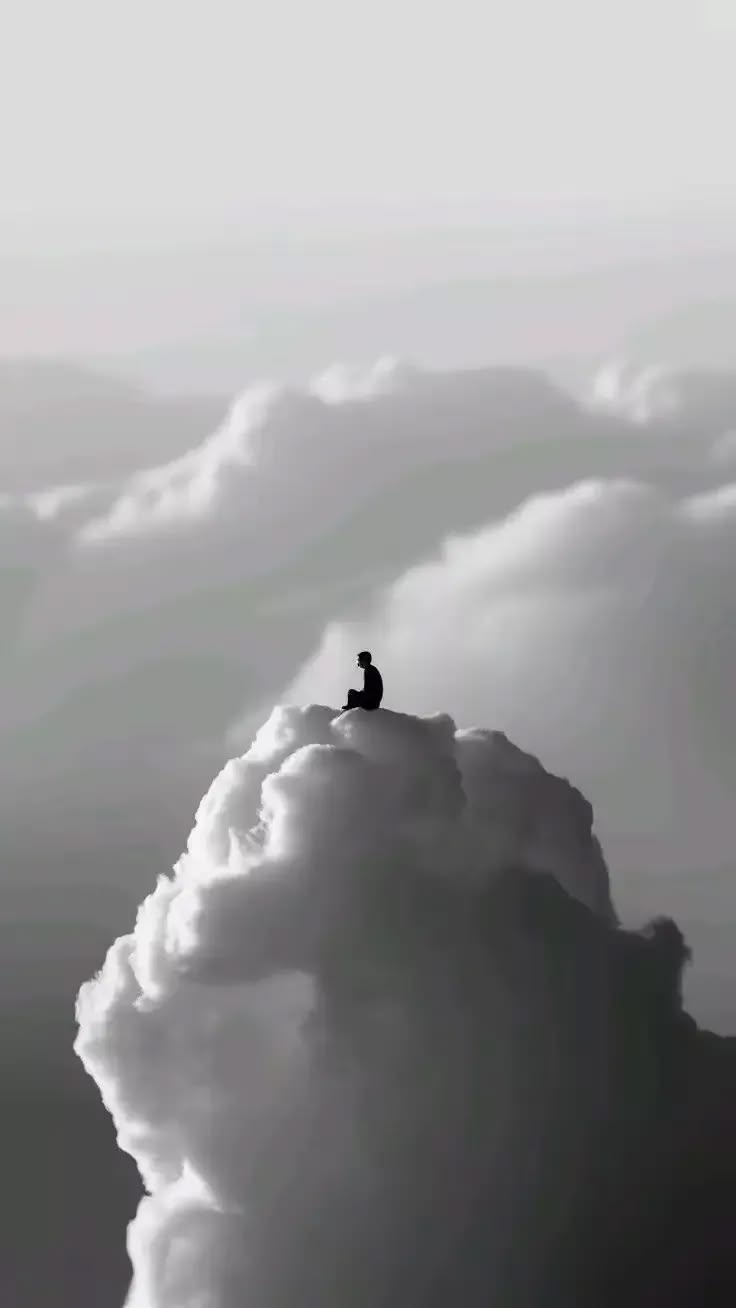
Stress is initially a useful physical response. Stress hormones can increase heart rate and blood pressure as the body prepares to act. When strain continues, sleep problems, high blood pressure and psychological difficulties can occur, among other effects. [7]
Biological differences matter, too. Stress systems change across the lifespan and are related to hormones, among other influences. This does not produce a simple ranking in which women are better and men worse at finding calm. [2]
Large-scale data on heart health illustrate the relevance of the environment. An analysis involving 197,473 employees examined high demands combined with limited control over work. This strain was associated with a higher rate of coronary heart disease. After accounting for age and sex, the relative increase was 23 per cent. [8]
That does not mean an additional 23 out of every 100 people became ill. The figure compares the rates of disease in two groups. The study also does not prove that stress alone caused the illnesses. It does show why a serious discussion about recovery needs to consider the conditions in which people live and work.
A relaxation session cannot compensate for a persistently excessive workload. Supporting health also means asking whether demands are realistic and whether people have influence over everyday life.

Why we need particular care when discussing cancer
The importance of recovery for health can invite sweeping claims. With cancer, particular care is needed. In Germany, malignant neoplasms accounted for 230,392 deaths in 2024, making them the second-largest broad cause-of-death category after circulatory diseases. This figure describes the scale; it does not explain what caused those illnesses. [9]
The claim that a lack of breaks causes cancer is not established. An analysis of twelve European studies involving 116,056 people found no association between job strain measured at the outset and overall cancer risk. [10]
The US National Cancer Institute describes the overall research on stress and cancer development as inconsistent. Possible indirect pathways, such as smoking or alcohol consumption, need to be distinguished from a direct effect. Laboratory findings on tumour growth also do not automatically explain why a person develops cancer. [7]
A cancer diagnosis is not proof that someone failed to relax enough. Nor do these sources establish that meditation or singing bowls protect against cancer. Recovery matters without needing those promises.
What a break can actually change
The benefits of short breaks have been investigated more directly. A meta-analysis of 22 independent samples with 2,335 participants found small, statistically significant improvements in fatigue and vitality. An overall increase in performance was not established. [11]
I find that result particularly meaningful. A break can benefit a person without extracting more performance from them afterwards. Recovery does not have to justify itself through higher output every time.
Mental distance also matters after a demanding day. Research by Sabine Sonnentag and Charlotte Fritz describes how high demands make it harder to switch off internally. A lack of detachment is, in turn, associated with greater strain and lower well-being. [12]
Arriving home and finding inner rest are therefore two different things. Deliberately chosen pauses can have a place here.
What meditation and sound may contribute
Structured mindfulness programmes have a broader research base than singing bowls. A review of 47 studies involving 3,515 participants found moderate evidence for improvements in anxiety symptoms, depressive symptoms and pain. The improvements were generally small to moderate; the evidence for stress was weaker. [13]
“Moderate evidence” describes the certainty of a scientific conclusion. It does not mean everyone experiences a medium-sized benefit. The programmes studied also cannot be equated with a single session.
Singing bowls deserve separate consideration. A 2025 review identified 19 clinical studies, including nine randomised controlled trials. There were positive indications of benefit, but the studies varied greatly. The authors judged the overall risk of bias in the randomised studies to be high. [14]
Sound can offer a way into rest. How reliable and how substantial its benefits are remains scientifically uncertain. For me, its possible value lies in offering an experience people can choose freely. Everyone can discover for themselves whether that approach fits.
Rest needs a place people are actually allowed to use
That conversation has become a larger question for me. Are people allowed to notice and express their limits before exceeding them? And how credible is a well-being programme if everyday life then demands the same constant availability?
For companies, I draw a practical conclusion: breaks need to be possible in the schedule and accepted within the team. Different approaches, clear explanations and voluntary participation help include people. Nobody should have to share personal feelings with the team to take part.
Perhaps change begins with a leader who takes their own break. With a gap between appointments that stays free. Or with a man saying he is exhausted and being met with neither ridicule nor less respect.
I would like rest to have that ordinary, accepted place. Including for people who carry a great deal. Especially there, it should be possible to put everything down for a moment.
Sources and scientific context
The numbers in the text refer to the sources below. This research is a focused selection of literature for a journalistic article, rather than a systematic review. Studies on help-seeking, meditation participation and stress responses address different questions. They do not establish that men are generally less able to relax. Sources checked as of 28 October 2026.
[1] Clarke TC et al. (2018). Use of Yoga, Meditation, and Chiropractors Among U.S. Adults Aged 18 and Over. NCHS Data Brief 325.
https://www.cdc.gov/nchs/products/databriefs/db325.htm
Representative US survey covering 2017; measures self-reported use, rather than ability, and does not describe the situation in Germany.
[2] Bale TL, Epperson CN (2015). Sex differences and stress across the lifespan. Nature Neuroscience 18, 1413–1420.
https://doi.org/10.1038/nn.4112
Biological review of stress responses across life stages; does not establish a general male difficulty with relaxation.
[3] Wong YJ et al. (2017). Meta-analyses of the relationship between conformity to masculine norms and mental health-related outcomes. Journal of Counseling Psychology 64, 80–93.
https://doi.org/10.1037/cou0000176
78 samples; mainly associations. Individual norms and outcomes need to be considered separately.
[4] Courtenay WH (2000). Constructions of masculinity and their influence on men’s well-being: a theory of gender and health. Social Science & Medicine 50, 1385–1401.
https://doi.org/10.1016/S0277-9536(99)00390-1
A theoretical framework, rather than experimental evidence for relaxation sessions.
[5] Mosse GL (1996). The Image of Man: The Creation of Modern Masculinity. Oxford University Press.
https://academic.oup.com/book/47768
Historical monograph. This article draws on the publicly accessible book description and chapter abstracts; it does not claim to analyse the full book.
[6] WHO Regional Office for Europe (2018). The health and well-being of men in the WHO European Region: better health through a gender approach.
https://www.who.int/europe/publications/i/item/9789289053532
Institutional report placing men’s health in the context of social conditions and gender norms; the published overview was consulted.
[7] National Cancer Institute. Stress and Cancer.
https://www.cancer.gov/about-cancer/coping/feelings/stress-fact-sheet
Institutional evidence overview distinguishing cancer development, indirect associations and laboratory findings on progression.
Further sources
[8] Kivimäki M et al. (2012). Job strain as a risk factor for coronary heart disease: a collaborative meta-analysis of individual participant data. The Lancet 380, 1491–1497.
https://doi.org/10.1016/S0140-6736(12)60994-5
13 European cohorts; 197,473 employees. Observational data, rather than a test of a relaxation intervention.
[9] Federal Statistical Office of Germany (2025). Causes of death in 2024: more people dying from dementia. Press release 377, October 2025.
https://www.destatis.de/DE/Presse/Pressemitteilungen/2025/10/PD25_377_23211.html
The data year, 2024, is stated explicitly. The comparison concerns broad cause-of-death categories, rather than individual diagnoses.
[10] Heikkilä K et al. (2013). Work stress and risk of cancer: meta-analysis of 5700 incident cancer events in 116 000 European men and women. BMJ 346, f165.
https://doi.org/10.1136/bmj.f165
Twelve cohorts; work stress measured at the outset. A null finding does not rule out every possible stress factor.
[11] Albulescu P et al. (2022). “Give me a break!” A systematic review and meta-analysis on the efficacy of micro-breaks for increasing well-being and performance. PLOS ONE 17, e0272460.
https://doi.org/10.1371/journal.pone.0272460
22 independent samples; small effects on vitality and fatigue, with no established overall effect on performance.
[12] Sonnentag S, Fritz C (2015). Recovery from job stress: The stressor-detachment model as an integrative framework. Journal of Organizational Behavior 36, S72–S103.
https://doi.org/10.1002/job.1924
Research overview on psychological detachment from work, rather than a sex-specific study of relaxation.
[13] Goyal M et al. (2014). Meditation Programs for Psychological Stress and Well-being: A Systematic Review and Meta-analysis. JAMA Internal Medicine 174, 357–368.
https://doi.org/10.1001/jamainternmed.2013.13018
47 studies; 3,515 participants. The findings cited here concern structured meditation programmes.
[14] Cai Y et al. (2025). Therapeutic effects of singing bowls: A systematic review of clinical studies. Integrative Medicine Research 14, 101144.
https://doi.org/10.1016/j.imr.2025.101144
19 clinical studies with different designs and applications; limited transferability to particular services.
The opening conversation is paraphrased. The images are illustrative images provided by the author.